Insight
The Impact of AI on Design

Artificial intelligence is beginning to change how designers work. In interior design, AI tools are beginning to support various parts of the design process, from early planning to final choices and client presentations. However, these tools are not replacing designers, and are instead, supporting the process and helping teams work more efficiently. As the technology improves, AI is becoming part of daily practice for more firms and studios.
Faster Planning and Layouts
AI can generate floor plans by analyzing how a space is used and what it needs to support movement and function. This saves time during the early phases of design so that instead of drawing multiple versions by hand, designers can review a range of options and refine from there.
This helps teams test ideas quickly and focus more time on quality and detail. It also gives clients a clearer view of possibilities early in the process.
Smarter Product Selection
Selecting the right elements for a space can be a time-consuming part of the design process. AI tools can search large databases to find options that match a designer’s criteria, such as price, dimensions, or finish. Some platforms can suggest alternatives when products are unavailable or over budget. This speeds up product research and helps teams stay within project goals while still offering a wide range of choices.
Improved Visualization
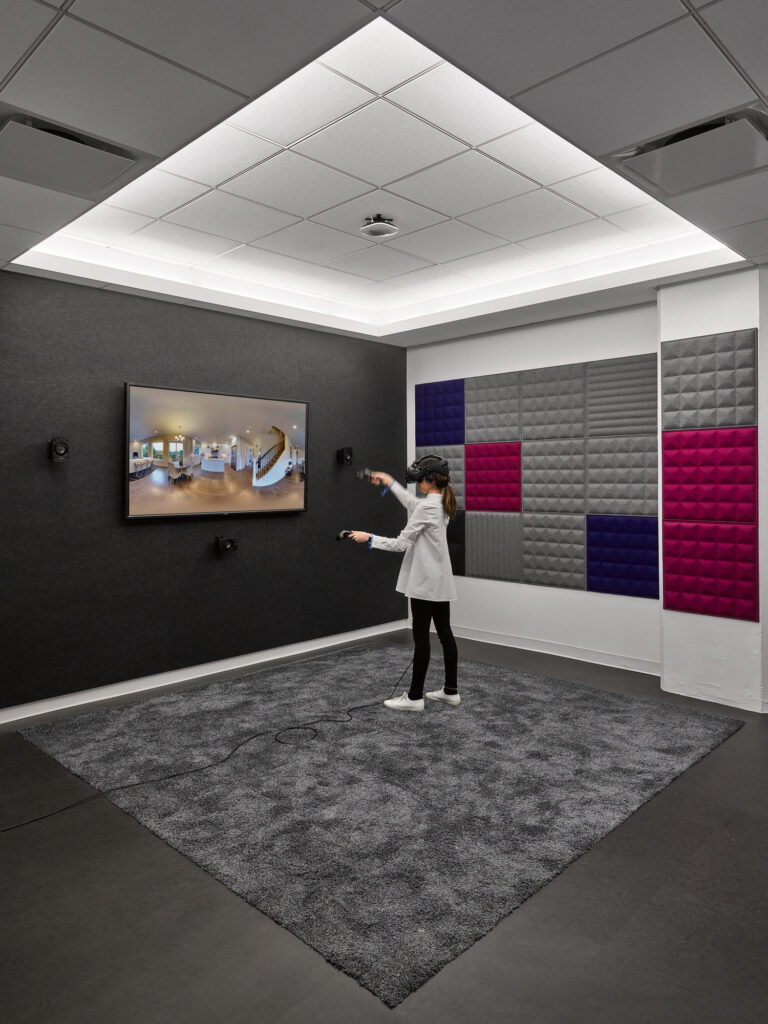
AI is also helping designers show clients what a space might look like. Some tools can turn prompts or sketches into detailed visuals, helping designers convey the overall feel and proportions of a space more clearly. While these visuals are not always final, they help guide early conversations and build alignment between designers and clients.
Learning from Data
AI can also review past projects to identify patterns. This might include how people use space, which materials perform well, or which layouts support certain tasks. This kind of feedback supports better planning in future work. For larger firms, it may also help standardize parts of the design process while still allowing for creative choices.
A Shift in Workflow
The role of the interior designer is still centered on understanding people and creating spaces that support daily life. AI tools can enhance the design process, but they still rely on the guidance and judgment that come from human insight.
As these tools continue to evolve, they are likely to become part of the standard toolkit. Used thoughtfully, they can help designers work faster, explore more options, and create stronger outcomes for their clients.