Insight
10 Mistakes to Avoid When Designing Your Commercial Building
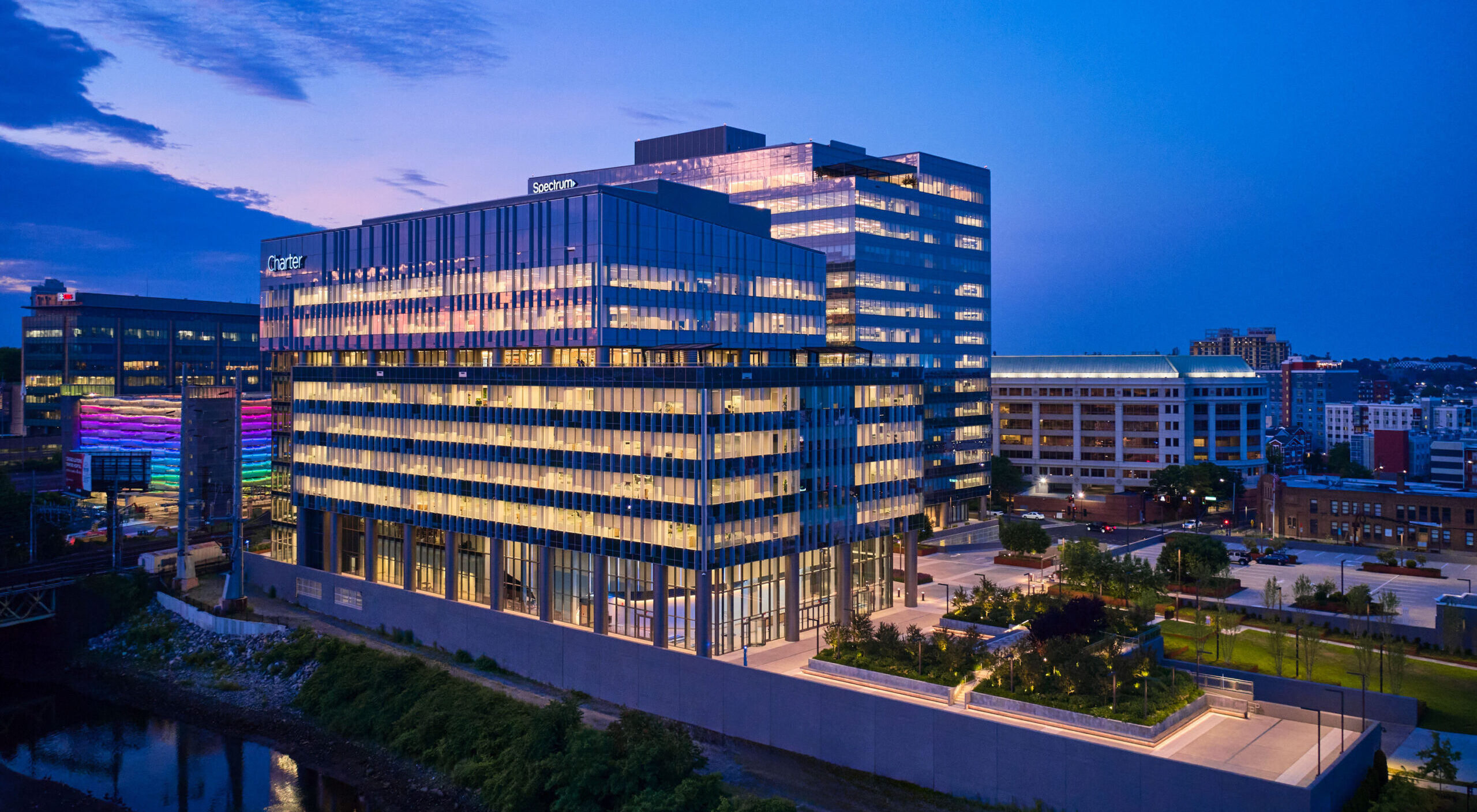
Designing a commercial building is a significant investment. It influences how people experience your organization, how efficiently the space functions, and how well it supports future growth. While every project is different, there are some common missteps that can compromise outcomes if not addressed early in the process.
Avoiding these mistakes helps ensure the building meets both immediate and long-term needs.
- Skipping Early Planning: A rushed start often leads to unclear goals. Without a solid understanding of what the building needs to accomplish, decisions later in the process may be reactive or misaligned. Taking time to clarify objectives helps guide the entire project.
- Ignoring the Site: Design should respond to the specific qualities of the site, taking into account how it functions within its surroundings and how people will approach and experience it. When the design overlooks these factors, the building may work against its environment rather than with it.
- Overlooking Flexibility: Needs change. A rigid layout can make future adjustments costly or difficult. Designing with flexibility in mind helps the building remain useful over time.
- Underestimating Circulation: Movement through a space shapes how it feels. Poor circulation can lead to confusion or inefficiency. Thoughtful transitions and clear routes support comfort and usability.
- Missing the User Perspective: Design decisions that focus too narrowly on appearance or cost may overlook how people actually use the space. Buildings work best when they support daily activity, not just visual impact.
- Failing to Plan for Maintenance: Durability matters. Choosing materials or systems without considering upkeep can lead to long-term problems. A beautiful space should also be manageable.
- Inadequate Daylight and Acoustics: Lighting and sound shape how people experience a space and how well they can engage with it. These elements benefit from early, thoughtful integration into the design process.
- Disconnected Branding: A commercial building should reflect the identity of the organization. When design choices are disconnected from that message, the space may feel generic or unclear.
- Overcomplicating Systems: Complex systems are harder to manage. When simplicity is overlooked, it can create challenges for users, maintenance teams, and future upgrades.
- Forgetting Future Growth: A building that fits today but not tomorrow may need expensive changes sooner than expected. Planning for evolution supports long-term value.
Design with Clarity and Purpose
Commercial buildings succeed when they are grounded in purpose and shaped by thoughtful choices. Avoiding these common mistakes allows the design to stay aligned with its purpose and better serve those who use it. When the process begins with clear intent, the result is more likely to support both the daily functions of the space and the broader goals of the organization.